
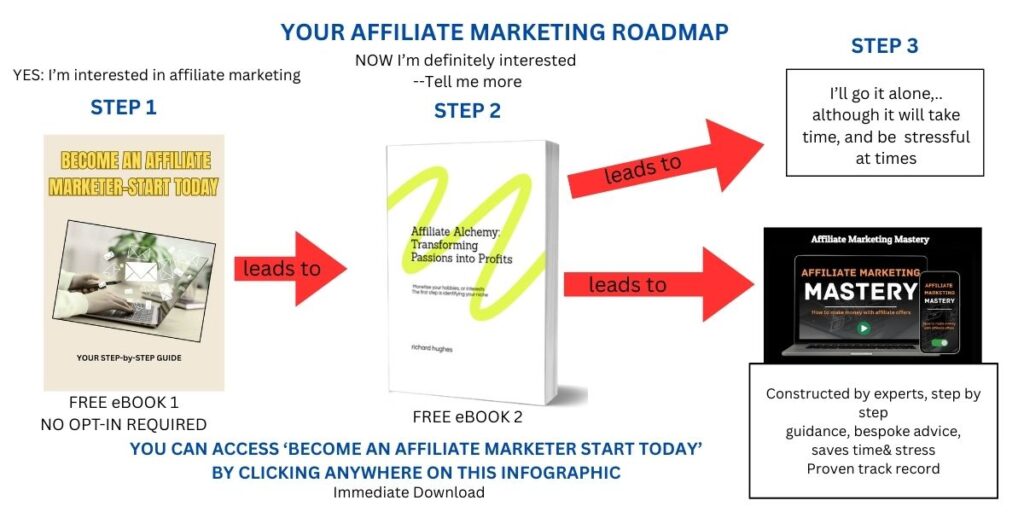
You can become an affiliate marketer with no experience by choosing a niche you’re interested in, joining free affiliate programs, and creating content that promotes products to your audience. Many people worry they need technical skills or money to start, but that’s not true. The key is understanding the basics and taking action step by step.
To start as a complete beginner, pick a topic you know about or care about, sign up for affiliate programs that match that topic, and share helpful content on free platforms like social media or a blog. You’ll earn commissions when people buy products through your unique affiliate links. This means you don’t need to create products, handle customer service, or manage stock.
Affiliate marketing takes time to build. You won’t make money right away, but with patience and consistent effort, you can create a real income stream. This guide walks you through each stage, from picking your niche to creating content that actually converts visitors into buyers.
Contents
- 1 Understanding Affiliate Marketing
- 2 Setting Realistic Expectations for Beginners
- 3 Choosing Your Niche for Affiliate Marketing Success
- 4 Selecting the Right Affiliate Programs and Networks
- 5 Building Your Affiliate Platform: Website vs. Social Media
- 6 Creating Content That Converts
- 7 Driving Traffic and Growing Your Audience
- 8 Compliance, Tracking, and Scaling Up
- 9 Frequently Asked Questions
- 9.1 What steps should a beginner take to start affiliate marketing without initial funds?
- 9.2 What are the best platforms for beginners to commence affiliate marketing?
- 9.3 How can one engage in affiliate marketing using a smartphone?
- 9.4 What potential income can a novice in affiliate marketing expect to earn?
- 9.5 Is it possible to undertake affiliate marketing without having a substantial online following?
- 9.6 What is the process for a beginner to partner with Amazon as an affiliate marketer?
Key Takeaways
- You can start affiliate marketing with no money by using free platforms and tools to promote products in a niche that interests you
- Success requires choosing the right affiliate programs, creating valuable content, and building trust with your audience over time
- Set realistic expectations as most beginners need 6 to 12 months of consistent work before seeing significant income
Understanding Affiliate Marketing
Affiliate marketing operates on a simple principle: you earn money by recommending products or services to others. The business model relies on tracking technology and clear payment structures that determine how you get paid for your promotional efforts.
What Is Affiliate Marketing?
Affiliate marketing is a performance-based business arrangement where you promote someone else’s products or services and earn a commission when people take specific actions. You don’t create products, handle customer service, or manage inventory.
Your role as an affiliate marketer centres on connecting potential buyers with products they’re already researching. You receive a unique affiliate link that tracks any sales or actions generated through your recommendations. When someone clicks your link and completes a purchase, the merchant’s tracking system credits you with that sale.
The relationship involves three parties: the merchant who creates the product, you as the affiliate marketer, and the customer. Merchants benefit from additional sales without upfront advertising costs. You earn affiliate commissions without managing products. Customers discover products through your content and recommendations.
How Affiliate Marketing Works
The process starts when you join an affiliate programme and receive your unique affiliate links. These links contain special tracking codes that identify you as the referrer. You then share these links through your chosen platform—whether that’s a website, social media, email, or video content.
When someone clicks your affiliate link, a small file called a cookie gets stored in their browser. This cookie tracks their activity for a set period, typically 24 hours to 90 days. If they purchase during that window, you receive credit for the sale even if they don’t buy immediately.
The merchant’s system automatically tracks all clicks, leads, and sales generated through your affiliate links. Most affiliate programmes provide a dashboard where you can monitor your performance, view your affiliate earnings, and access your payment information. You don’t handle any transactions directly—the tracking technology manages everything automatically.
Common Payment Models
Pay-per-sale is the most common structure in affiliate marketing. You earn a percentage of the sale price when someone purchases through your affiliate link. Commission rates typically range from 5% to 50% depending on the product type and industry. Digital products often offer higher rates than physical goods.
Pay-per-lead pays you when someone completes a specific action, such as filling out a form, starting a free trial, or requesting a quote. You don’t need to generate an actual sale to earn. These programmes work well for services like insurance, finance, or software where the sales process takes longer.
Pay-per-click compensates you based purely on traffic, paying for each click on your affiliate links regardless of whether it leads to a sale. This model is rare in traditional affiliate relationships. Earnings per click (EPC) are usually small, ranging from a few pence to a few pounds. Most beginners find pay-per-sale or pay-per-lead models more profitable.
Setting Realistic Expectations for Beginners
Starting as an affiliate marketer with no experience means understanding actual timelines for earning money, accepting both advantages and difficulties, and recognising that credibility takes time to develop.
Potential Income and Timeframe
Most beginner affiliate marketers earn little to nothing in their first three to six months. This isn’t failure—it’s normal. Your first commission might be just a few pounds, and it could take 12 to 24 months before you see consistent, meaningful affiliate earnings.
Early months focus on building foundations rather than making sales. You’re creating content, learning how your affiliate partner programmes work, and attracting your first visitors. Traffic grows slowly even when you publish regularly.
The idea of quick passive income is misleading for newcomers. Passive income requires upfront work that pays off later. Your early efforts might not generate immediate returns, but they create assets that can earn commissions months or years ahead.
Set income goals based on milestones, not amounts. Aim for your first click, then your first sale, then your first £100 month. These smaller targets keep you motivated when progress feels slow.
Benefits and Challenges
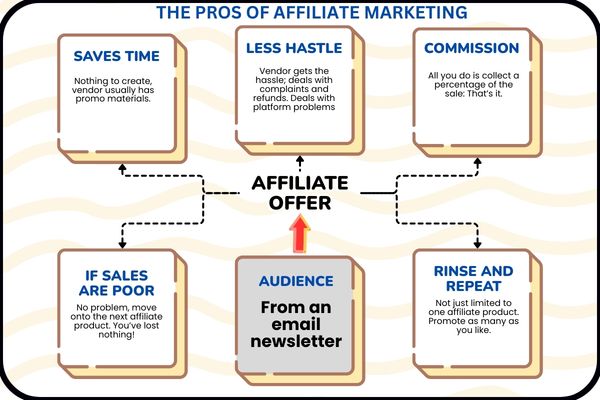
Affiliate marketing with no money is possible because you don’t need inventory, customer service, or large startup costs. You can begin with free website builders, social media platforms, or video channels.
The main benefits include flexible schedules, working from anywhere, and choosing products you genuinely like. Successful affiliate partnerships can generate income whilst you sleep, travel, or work on other projects.
However, challenges are real. You’ll face slow traffic growth, information overload from conflicting advice, and the temptation to quit early. Many beginners struggle with technical skills like website setup or keyword research, even though these are learnable.
Competition exists in popular niches, and algorithm changes can affect your traffic overnight. You won’t control product quality, customer experience, or commission rates—those belong to your affiliate partner.
Building Trust and Authority
Your audience won’t buy from someone they don’t trust. Building that trust requires honest reviews, helpful content, and transparency about affiliate relationships.
Authority develops through consistent, quality output over months. Write detailed guides, share real experiences with products, and answer questions your audience actually asks. Admit when products have downsides or aren’t suitable for everyone.
Engage with comments, emails, and social media messages. When people see you’re a real person who responds and cares about helping them, they’re more likely to trust your recommendations.
Track non-financial progress like website visitors, email subscribers, and engagement rates. These metrics show you’re building authority even before affiliate earnings arrive. Your first year focuses more on creating valuable content and relationships than making substantial income.
Choosing Your Niche for Affiliate Marketing Success
Selecting the right niche determines your earning potential and long-term sustainability as an affiliate marketer. You need to find a market with genuine demand, manageable competition, and affiliate marketing programs that pay well enough to make your efforts worthwhile.
How to Identify Profitable Niches
Start by examining markets where people actively spend money to solve problems. Look for keywords that include buying signals like “best,” “review,” “vs,” or “alternative.” These indicate commercial intent rather than casual browsing.
Use free tools like Google Trends to verify consistent search interest over time. You want steady demand, not fleeting trends that disappear in months. Search for potential niches and check if the interest has remained stable or grown over the past year.
High-value niches typically share these traits:
- Average product prices above £50
- Multiple competing brands and products
- Active online communities and forums
- Business buyers with allocated budgets
- Recurring purchase patterns
Digital products and software often offer 20-50% commission rates compared to 3-4% for physical goods. A single software referral can earn you more than dozens of physical product sales. Check if affiliate marketing programs exist in your potential niche before investing time. Without programs to join, you cannot earn money regardless of traffic.
Balancing Passion With Market Demand
You don’t need to love your niche, but you must tolerate researching it repeatedly. Choose something you can write about without feeling drained after every article.
Your existing job skills often reveal profitable niches. If you work in project management, you already understand tools that other project managers need. This familiarity lets you create authentic content without pretending to be an expert.
Passion alone doesn’t pay bills. If you love a topic but only 10 people search for it monthly, you’ve chosen a hobby, not a business. The sweet spot combines tolerable interest with proven market demand. Can you spend hours researching this topic without boredom? Will people actually buy products in this space?
Test your tolerance early. Spend a week reading about your potential niche daily. If you find yourself engaged rather than forcing yourself through content, that’s a positive signal. If you’re already exhausted, pick your niche differently.
Assessing Competition and Audience Needs
Search your main keywords on Google and examine the first page carefully. If you see Reddit threads, Quora answers, or outdated websites from 2015, you’ve found opportunity. These gaps mean established publishers haven’t fully addressed the topic.
Massive corporations dominating every result signals difficult competition. You probably cannot outrank Forbes or major industry publications as a beginner. Look instead for specific variations of broader topics.
Competition analysis checklist:
- Are top sites regularly updated?
- Do they provide comprehensive answers?
- Can you offer unique perspective or testing?
- Does your expertise fill obvious gaps?
Study the questions people ask in forums and comment sections. These reveal unmet needs that your content can address. If multiple people ask similar questions without satisfactory answers, you’ve identified a content opportunity.
Examine affiliate marketing niche communities on Facebook or LinkedIn. Active discussions indicate engaged audiences who seek solutions. Dead or spam-filled groups suggest limited commercial potential regardless of search volume.
Selecting the Right Affiliate Programs and Networks
The right affiliate program can determine whether you earn steady commissions or waste time promoting products that don’t convert. Focus on programs that match your interests, offer fair payment terms, and provide solid tracking tools.
Finding Beginner-Friendly Affiliate Programmes
Start with programs that accept newcomers without requiring massive traffic numbers. Amazon Associates is the most accessible option—you can join immediately and promote millions of products with commission rates between 1% and 10%. The 24-hour cookie window is short, but the brand recognition makes conversions easier.
ClickBank specialises in digital products like courses and ebooks, offering commissions up to 75%. ShareASale and Rakuten connect you with thousands of merchants across different categories. These networks don’t require existing traffic to join.
Look for programmes that offer free sign-up and no minimum traffic requirements. Many brands also run their own affiliate programmes directly through their websites. Check the footer of sites you already shop from—you’ll often find an “Affiliates” or “Partners” link.
Key Features to Evaluate
Commission rates tell you how much you’ll earn per sale. Rates vary from 1% for groceries to 50% or more for digital products. Don’t just chase high percentages—a 5% commission on a £500 item pays better than 50% on a £10 product.
Cookie duration matters because it sets how long you can earn credit after someone clicks your link. Amazon gives you 24 hours, whilst programmes like Awin and CJ Affiliate often offer 30 to 90 days. Longer cookies mean more time for buyers to complete purchases.
Check the payment threshold and payment schedule. Some programmes pay monthly once you reach £50, whilst others require £100 or more. Also verify they offer payment methods you can actually use, like PayPal or bank transfer.
Top Platforms and Networks for Beginners
Amazon Associates suits nearly any niche because of product variety. ClickBank works well if you’re promoting courses or information products. ShareASale and CJ Affiliate give you access to established brands with reliable tracking systems.
Rakuten offers cashback incentives that make conversions easier. Awin connects you with major retailers across Europe. The eBay Partner Network pays up to 4% with familiar products your audience already trusts.
PartnerStack focuses on software and SaaS products with recurring commissions. For social media creators, platforms like Shopify Collabs let you apply directly to brands and often negotiate better rates than standard networks offer.
Join two or three networks initially. This gives you programme variety without overwhelming your content strategy.
Building Your Affiliate Platform: Website vs. Social Media
You’ll need to choose where you want to promote affiliate products, and both websites and social channels offer distinct advantages. Websites give you full control over your content and traffic, while social platforms provide built-in audiences but limit what you can do with your links.
Starting an Affiliate Website or Blog
An affiliate website serves as your home base where you control everything. You own the domain, content, and audience data. Blogging works particularly well for detailed product reviews, comparison guides, and tutorials that help people make buying decisions.
Your affiliate site lets you create evergreen content that generates traffic for months or years. A single blog post ranking in search engines can drive consistent visitors and commissions without ongoing work. This makes websites ideal for building long-term passive income.
You can start with free platforms like WordPress.com or Blogger, then upgrade to self-hosted options once you’re earning commissions. A self-hosted site costs around £3-5 monthly for hosting plus £10-15 yearly for a domain name.
Key advantages of affiliate websites:
- Complete control over design and monetisation
- Better for SEO and long-term traffic growth
- Multiple ways to display affiliate links
- You own your audience and email list
The downside is that building traffic takes time. You’ll need to learn basic SEO and create quality content consistently before seeing significant results.
Leveraging Social Channels (YouTube, TikTok, Instagram, Pinterest, Facebook)
Social platforms let you start promoting immediately to existing audiences. Each channel works differently for affiliate marketing.
YouTube excels at product demonstrations and detailed reviews. You can add affiliate links in video descriptions and build trust through face-to-face content. You’ll need 10,000 subscribers to join YouTube’s Partner Programme, but you can use regular affiliate links from day one.
TikTok and Instagram work well for quick product showcases and lifestyle content. Most affiliate marketers use link-in-bio tools like Linktree or ShopMy since you can’t add clickable links to regular posts. Instagram Stories and TikTok bios become your main link placement spots.
Pinterest functions more like a search engine than social media. You can add affiliate links directly to pins, making it excellent for product recommendations, recipes, and how-to content.
Facebook allows affiliate links in posts and groups, though organic reach has declined significantly. Many successful affiliate marketers build Facebook groups around their niche to foster community and share recommendations.
Content types that perform well:
- Product unboxings and first impressions
- Before-and-after demonstrations
- Side-by-side product comparisons
- Tutorial videos featuring affiliate products
- Styling or usage tips
The main limitation of social channels is that you don’t own your audience. Platform algorithm changes can drastically reduce your reach overnight.
Free vs. Paid Marketing Channels
Free traffic sources include organic social media posts, search engine traffic to your blog, and Pinterest pins. These traffic channels cost nothing but time. You create content, optimise it, and wait for people to find you naturally.
Paid channels involve advertising spend. You might run Facebook ads, Google ads, or pay for promoted posts on Instagram. This generates faster results but requires upfront investment and marketing knowledge.
Most beginners should start with free channels whilst learning what converts. Once you know which products your audience wants, paid advertising can scale your income quickly. Testing with small budgets of £5-10 daily helps you learn without major financial risk.
Free traffic channels:
| Channel | Time to Results | Best For |
|---|---|---|
| Blog/SEO | 3-6 months | Detailed reviews, comparisons |
| YouTube | 2-4 months | Product demos, tutorials |
| TikTok | Days to weeks | Quick tips, trending content |
| 1-3 months | Visual products, DIY, recipes |
The most successful affiliate marketers combine multiple traffic sources. You might write blog posts for long-term SEO traffic whilst posting on TikTok for immediate engagement.
Creating Content That Converts
Good content addresses specific questions your audience is already asking and removes the friction between their hesitation and their decision. Focus on clarity, honest comparisons, and practical information that remains useful over time.
Crafting Engaging Product Reviews and How-to Guides
Product reviews work when they explain what happens after someone buys, not just what the product claims to do. Document your actual experience with the product within the first few hours of use. Include what confused you, what assumptions you had, and what you wish someone had told you before starting.
How-to guides build trust because they demonstrate the product in action. Walk through the setup process step by step. Mention where beginners typically get stuck and how to avoid those issues.
Address trade-offs directly in your reviews. Every product has limitations. Explain who the product is not suitable for as clearly as who it benefits. This honesty increases conversions because readers trust you’re not hiding information.
Include screenshots, numbered steps, and specific examples. Vague descriptions like “easy to use” or “great features” don’t help anyone make a decision. Instead, say “the dashboard loads in under 3 seconds” or “setup took 15 minutes without technical knowledge.”
Comparison Posts and Listicles
Comparison posts resolve decision friction when readers are stuck between multiple options. Create side-by-side breakdowns that focus on practical differences rather than marketing claims.
Structure comparisons around real scenarios:
- Budget constraints – Which option offers the most value under £50
- Skill level – Which works best for complete beginners
- Specific features – Which includes email automation versus which requires add-ons
- Time investment – Which can be set up in under an hour
Listicles work well for audience engagement when they answer specific searches like “best tools for small budgets” or “fastest ways to start”. Keep your list focused—5 to 7 options with clear explanations for each choice.
Don’t rank products arbitrarily. Explain your criteria upfront so readers understand why one option ranks higher than another. Include both your top pick and the best alternative for different use cases.
Evergreen Content Strategies
Evergreen content maintains its value months or years after publication, which means you build an audience without constantly creating new material. Focus on fundamental questions in your niche that don’t change with trends.
Target search terms that reflect ongoing problems:
- How to choose between product categories
- Common mistakes when getting started
- What to look for before purchasing
- Long-term costs versus initial price
Update evergreen posts annually with current pricing, new alternatives, or changed features. Add a note at the top showing when you last reviewed the information. This keeps old content ranking whilst maintaining reader trust.
Avoid time-sensitive references in your main points. Instead of “in 2026, the best option is”, write “the most reliable option currently available is”. This small change extends the useful life of your content strategy without requiring complete rewrites.
Driving Traffic and Growing Your Audience
Building traffic requires a strategic mix of search visibility, direct communication, and data-driven decisions. You need to focus on creating organic reach through search engines, connecting with potential customers through email and social platforms, and using analytics to refine what works.
Organic Traffic and Search Engine Optimisation
SEO helps you attract visitors who are actively searching for solutions in your niche. You don’t need a large following to start generating traffic through search engines.
Begin with keyword research to identify terms your target audience uses. Tools like Moz Keyword Explorer or Ubersuggest help you find high-traffic, low-competition keywords. Focus on long-tail keywords that match specific user intent, such as “best running shoes for beginners” rather than just “running shoes”.
Optimise your content with on-page elements. Include your primary keyword in the title tag, first paragraph, and headers. Write meta descriptions that encourage clicks from search results. Create content that answers questions thoroughly and provides genuine value.
Build high-quality content consistently. Search engines favour websites that publish regularly and cover topics in depth. Write product reviews, comparison guides, and how-to articles that naturally incorporate your affiliate links.
Link building strengthens your authority. Guest post on established blogs in your niche. Participate in forums and online communities where you can share helpful insights. These activities generate backlinks and drive referral traffic to your content.
Harnessing Email Marketing and Social Outreach
Email marketing gives you direct access to interested readers. You can promote affiliate products without relying on algorithm changes or platform policies.
Start building an email list from day one. Offer a free resource like a checklist, template, or mini-guide in exchange for email addresses. Place opt-in forms prominently on your website and blog posts.
Send regular newsletters with valuable content. Share tips, industry news, and product recommendations. Balance promotional emails with educational content to maintain trust. Include clear calls to action that guide readers to your affiliate offers.
Social media platforms help you reach new audiences organically. Choose one or two platforms where your target audience spends time. Share your content consistently and engage with comments and questions.
Join Facebook groups or LinkedIn communities related to your niche. Provide helpful answers and share expertise without spamming links. Build relationships first, then share relevant content when appropriate.
Google Ads can accelerate your reach when you’re ready to invest. Start with small budgets and test different ad copy and targeting options. Monitor your cost per click carefully to ensure profitability.
Utilising Analytics for Better Results
Analytics show you what’s working and what needs improvement. You can’t optimise campaigns without tracking performance data.
Set up Google Analytics on your website immediately. Track key metrics like page views, bounce rate, and time on site. Monitor which pages generate the most affiliate clicks and conversions.
Use UTM parameters to track specific traffic sources. Add these tags to links in emails, social posts, and paid ads. This tells you exactly where your conversions come from, helping you invest time and money wisely.
| Metric | What It Tells You | Action to Take |
|---|---|---|
| Bounce Rate | How many visitors leave immediately | Improve content relevance and page load speed |
| Click-Through Rate | How often links get clicked | Test different placements and calls to action |
| Conversion Rate | How many clicks become sales | Review product relevance and trust signals |
Review your analytics weekly. Identify your top-performing content and create more similar pieces. Find underperforming pages and update them with better keywords or clearer calls to action.
Test different approaches systematically. Try various headline styles, link placements, and content formats. Track the results and double down on what generates the best returns.
Compliance, Tracking, and Scaling Up
Following legal requirements and tracking your results properly sets you up for long-term success. Understanding these basics helps you avoid penalties and grow your income steadily.
Affiliate Disclosures and FTC Guidelines
You need to tell people when you earn money from affiliate links. The FTC requires clear disclosure whenever you recommend products that give you a commission. This protects consumers and keeps you legally safe.
Put disclosures at the top of your content, not hidden at the bottom. Use simple language like “I earn a commission if you buy through my links” or “This post contains affiliate links.” The disclosure must be obvious on every platform you use, including social media posts, videos, and blog articles.
Don’t bury your FTC disclosure in legal jargon or tiny text. Mobile users especially need to see it without scrolling. Some countries outside the US have similar rules, so check local laws if you target international audiences.
Honest disclosure builds trust with your audience. People appreciate transparency, and it rarely stops them from buying through your links.
Understanding Tracking and Cookie Duration
Tracking links connect your promotions to actual sales. When someone clicks your affiliate link, a cookie saves on their device. If they buy within the cookie duration, you get credit for that sale.
Cookie duration varies widely between programmes. Amazon gives you 24 hours, whilst some software companies offer 30 to 90 days. Recurring commissions come from subscription products that pay you monthly as long as the customer stays subscribed.
Longer cookie durations give customers more time to decide. This matters for expensive products where people research before buying. Check each programme’s commission structure to understand what you earn per sale and how long you have to earn it.
Your conversion rates show how many clicks turn into sales. Track this number to see which products and content work best. Most affiliate networks provide dashboards showing clicks, sales, and earnings in real time.
Scaling Your Affiliate Business for Growth
Growth happens when you find what works and do more of it. Review your stats monthly to identify top-performing products and content types. Double down on these winners rather than spreading yourself thin.
Build a sales funnel that moves people from discovery to purchase. Start with free helpful content, then recommend specific products that solve their problems. Email lists let you nurture relationships and promote products over time without relying only on search traffic.
Add new marketing channels gradually. If blogging works, try YouTube or a podcast next. Each channel should feed your others. Automate repetitive tasks like social media posting or email sequences so you can focus on creating quality content.
Test different products within your niche to increase your average commission per visitor. Higher-ticket items often pay more per sale, even with lower conversion rates. Mix quick wins with long-term relationship building for steady income growth.
Frequently Asked Questions
Starting affiliate marketing without experience raises practical questions about costs, platforms, earnings, and requirements. These answers address the specific concerns beginners face when entering the field.
What steps should a beginner take to start affiliate marketing without initial funds?
Begin by selecting a niche that matches your interests and has market demand. Research topics you understand well, as this knowledge helps you create content that resonates with potential buyers.
Next, choose a free platform to build your presence. You can start a blog using free website builders, create social media accounts on Instagram or Twitter, or launch a YouTube channel. Each option requires no upfront payment.
Join affiliate programmes through networks like ShareASale or apply directly to brands in your niche. Many programmes accept beginners and require no joining fees.
Create content that provides genuine value to your audience. Write product reviews, comparison articles, or tutorials that naturally incorporate your affiliate links. Focus on helping people solve problems rather than simply pushing sales.
Use free SEO tools to research keywords and optimise your content for search engines. This approach attracts organic traffic without requiring paid advertising.
What are the best platforms for beginners to commence affiliate marketing?
Social media platforms offer the quickest start for beginners. Instagram allows you to share product recommendations through posts and stories. Twitter lets you engage in conversations and share affiliate links in relevant discussions.
YouTube provides excellent opportunities if you’re comfortable creating videos. Product reviews, unboxing videos, and tutorials perform particularly well for affiliate marketing.
Blogging platforms give you more control over your content. Free options like WordPress.com, Blogger, or Wix allow you to create detailed articles and build long-term organic traffic. A blog serves as a permanent asset that can generate income over time.
Pinterest works well for visual niches like home décor, fashion, or food. You can create pins that link directly to affiliate products.
TikTok has emerged as a viable platform for affiliate marketing. Short-form videos showcasing products can reach large audiences quickly.
The best platform depends on your niche and content style. Choose one where your target audience spends time and where you feel comfortable creating content.
How can one engage in affiliate marketing using a smartphone?
Your smartphone provides all the tools needed to start affiliate marketing. Download social media apps like Instagram, TikTok, or Twitter to create and post content directly from your device.
Use mobile apps from affiliate networks to track your performance and access affiliate links. Most major networks offer apps that let you manage your account anywhere.
Create content using your phone’s camera. Product reviews, unboxing videos, and demonstrations can all be filmed with a smartphone. Free editing apps like CapCut or InShot help you polish your videos before posting.
Write blog posts using mobile word processing apps or directly in your blogging platform’s mobile interface. Whilst typing longer articles on a phone takes more time, it’s entirely possible.
Conduct keyword research using mobile browsers to access free SEO tools. Monitor your analytics through mobile-friendly dashboards provided by affiliate networks and content platforms.
Join affiliate programmes and apply to networks using mobile browsers. The application process works the same on phones as on computers.
What potential income can a novice in affiliate marketing expect to earn?
Beginners typically earn nothing for the first three to six months. This period focuses on building your platform, creating content, and attracting an audience.
Your first earnings might range from £10 to £100 per month. These initial commissions often come from small sales or lower-priced products as you develop your promotional skills.
After six to twelve months of consistent effort, earnings can grow to £200 to £500 monthly if you’ve built a steady traffic source. Some beginners reach £1,000 per month within their first year, though this represents above-average performance.
Income varies significantly based on your niche, commission rates, and traffic volume. Products with higher price points or recurring commissions generate more income per sale.
Your earning potential increases as you gain experience and expand your audience. Successful affiliate marketers can earn thousands of pounds monthly, but reaching this level requires sustained effort over years, not months.
Don’t expect quick riches. Affiliate marketing rewards patience, consistency, and continuous learning rather than overnight success.
Is it possible to undertake affiliate marketing without having a substantial online following?
You can start affiliate marketing with zero followers. Your initial focus should be creating quality content rather than building a large audience first.
Search engine traffic provides an alternative to follower-based promotion. Well-optimised blog posts can attract visitors from Google searches regardless of your social media following.
Target specific long-tail keywords with lower competition. These searches might have smaller volumes but can bring highly interested buyers to your content.
Participate in online communities, forums, and social media groups related to your niche. Provide helpful answers and share your content when relevant without spamming.
Guest posting on established websites in your niche exposes your content to existing audiences. Many sites accept contributions from new writers.
As you consistently create valuable content, your following grows naturally. People who find your content helpful will return and recommend it to others.
A small engaged audience often converts better than a large disinterested following. Focus on attracting people genuinely interested in your niche rather than chasing follower counts.
What is the process for a beginner to partner with Amazon as an affiliate marketer?
Visit the Amazon Associates website and click the sign-up button. You’ll need an Amazon account to proceed, which you can create during registration if you don’t have one.
Provide information about your website, blog, mobile app, or social media presence. Amazon requires details about where you plan to promote their products.
Describe your content topics and how you plan to drive traffic to your affiliate links. Be honest and specific about your promotional methods.
Enter your preferred payment method and tax information. Amazon offers payment through bank transfer or gift cards.
Read and accept the programme’s terms and conditions. Pay attention to the requirements for maintaining your account status.
Once approved, access your affiliate dashboard to generate product links. You can create links for individual products or entire product categories.
Amazon requires you to make at least three qualifying sales within the first 180 days to maintain your associate status. Your account closes if you don’t meet this requirement, though you can reapply.
Commission rates vary by product category, typically ranging from 1% to 10%. Amazon provides a complete breakdown of rates in your dashboard.
YOUR NEXT MOVE
IF YOU HAVEN’T GOT YOUR OWN AUDIENCE YET, via email, blog or social media, CLICK ON THE INFOGRAPHIC BELOW TO START
IF YOU ALREADY HAVE A GOOD FOLLOWING, CLICK ON THIS INFOGRAPHIC