
Contents
- 1 How to Monetise a Small Newsletter
- 2 Understanding Newsletter Monetisation
- 3 Laying the Foundations for Monetisation
- 4 Direct Revenue from Subscribers
- 5 Newsletter Sponsorships and Advertising
- 6 Leveraging Affiliate Marketing
- 7 Selling Digital Products and Courses
- 8 Building Paid Communities and Memberships
- 9 Expanding with Merchandising and Other Streams
- 10 Best Practices for Maximising Newsletter Revenue
- 11 Choosing the Right Tools and Platforms
- 12 Frequently Asked Questions
- 12.1 What are effective strategies for generating income from a newsletter?
- 12.2 What number of subscribers should one aim for to profit from a newsletter?
- 12.3 What are the latest methods for creating a paid subscription newsletter?
- 12.4 How can an email list be leveraged to increase revenue?
- 12.5 In what ways can newsletter content be diversified to enhance monetisation?
- 12.6 How have recent trends affected the profitability of newsletters?
How to Monetise a Small Newsletter
Newsletters have become a powerful way to earn money online, with some creators bringing in millions of dollars each year.
Yes Newsletters can make you a lot of money.
You can monetise your newsletter through multiple methods including direct subscriptions, sponsorships, affiliate marketing, digital products, and paid communities. The key is understanding which strategies work best for your audience size and topic.
Getting started with newsletter monetisation doesn’t require a massive subscriber list. You can begin earning with just a few hundred engaged readers by choosing the right combination of income streams. Many newsletter creators use several methods at once to maximise their earnings and reduce risk.
This guide walks you through everything you need to know about turning your newsletter into a profitable business. You’ll learn how to build the right foundations, implement different revenue strategies, and follow best practices that help you earn more whilst keeping your readers happy.
Understanding Newsletter Monetisation
Newsletter monetisation transforms your email list into a revenue stream by connecting your content with income opportunities. The most successful approaches balance reader value with strategic business planning across multiple revenue models.
What Does It Mean to Monetise a Newsletter?
To monetise a newsletter means creating systems that generate income from your email audience. This happens when you convert reader attention into money through paid placements, subscriptions, or product sales.
Newsletter monetisation works because you control a direct channel to people who chose to hear from you. Unlike social media platforms where algorithms decide reach, email lands in inboxes you earned through trust. When you monetise effectively, you’re matching relevant offers with engaged readers who value your expertise.
The process requires three elements. First, you need consistent content that people open and read. Second, you must choose monetisation methods that fit your audience and goals. Third, you need systems to deliver value to both readers and revenue partners without breaking trust.
Why Newsletters Are Profitable
Newsletters generate profit because they operate on owned media. You’re not renting attention from Facebook or Google. Your subscriber list is an asset you control completely.
Readers engage differently with email than other channels. Open rates for good newsletters range from 30% to 50%, far higher than social media reach. People read newsletters in focused moments, which means they’re more likely to consider offers and click through to products.
The economics work at nearly any size. A newsletter with 5,000 engaged subscribers can earn meaningful revenue through targeted sponsorships. Larger lists create more opportunities, but profitability depends more on engagement quality than raw numbers. A focused audience in a specific niche often commands higher rates than a generic list ten times larger.
Newsletter Business Models
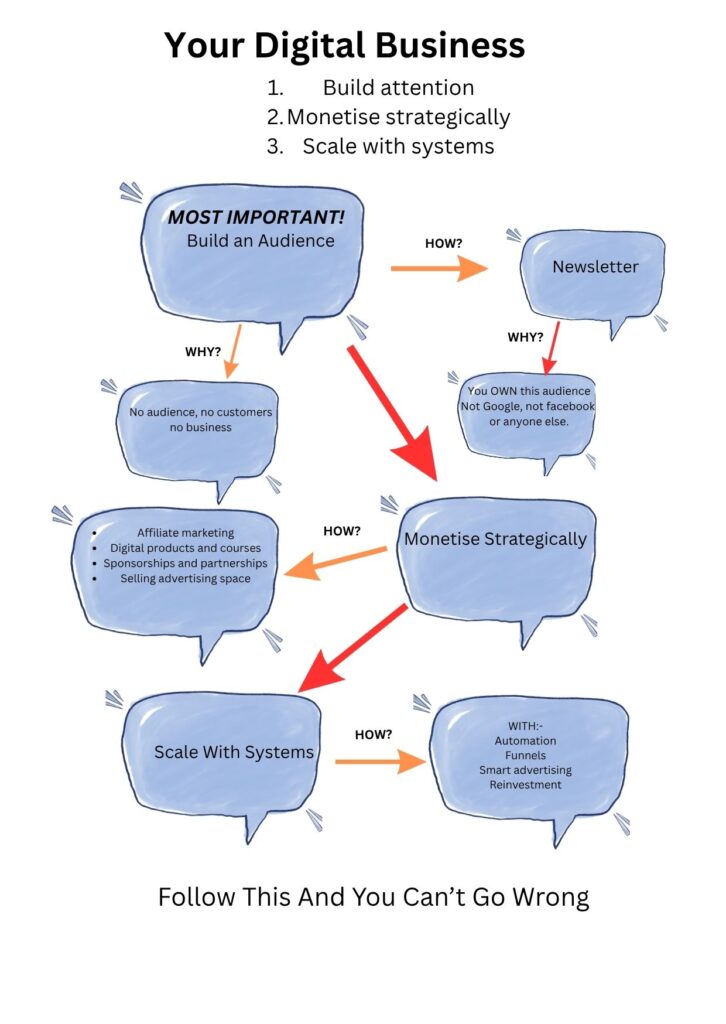
Multiple business models work for newsletter monetisation. Most successful publishers combine two or three approaches rather than relying on a single method.
Sponsorships and advertising involve selling placement to brands who want to reach your audience. You charge a flat fee or CPM rate for featuring their message in defined spots within your newsletter.
Paid subscriptions create direct revenue from readers who pay monthly or yearly for access to premium content. This model works best when you offer unique insights or information people can’t find elsewhere.
Affiliate marketing earns you commissions when readers purchase products you recommend. You include tracked links to relevant products and receive a percentage of sales.
Selling your own products or services turns newsletter authority into direct sales. This includes courses, consulting, templates, or physical products that match your audience’s needs.
The hybrid approach gives you stability. Direct sponsorships anchor your revenue with predictable payments whilst programmatic ads fill remaining inventory to ensure consistent earnings across every send.
Laying the Foundations for Monetisation
Before you can earn money from your newsletter, you need to build a solid base. This means understanding who your readers are, creating a list of subscribers who actually care about your content, and choosing the right tools to send your emails.
Defining Your Target Audience
You need to know exactly who you’re writing for before you can monetise effectively. A clear understanding of your target audience shapes everything from your content to your pricing strategy.
Start by identifying specific characteristics of your ideal reader. Consider their age range, profession, income level, and main challenges they face. Write down what problems they need solved and what topics interest them most.
Create a simple profile of your typical subscriber. This helps you make decisions about content and monetisation methods. For example, if your audience consists of busy professionals with high incomes, they might prefer paid subscriptions over ad-heavy free content.
Research where your target audience spends time online. Join relevant forums, Facebook groups, or Reddit communities to understand their language and concerns. This research directly improves your email marketing effectiveness and helps you spot monetisation opportunities that match their needs and budgets.
Building an Engaged Subscriber List
An engaged list matters more than a large one. Subscribers who open your emails and click your links will generate far more revenue than thousands of inactive contacts.
Focus on quality growth tactics from the start. Create a compelling lead magnet that solves a specific problem for your target audience. This could be a checklist, template, or short guide that provides immediate value.
Place signup forms on your website, blog posts, and social media profiles. Make your value proposition clear in every signup form. Tell people exactly what they’ll receive and how often.
Track your click-through rate and open rates regularly. These metrics show how engaged your subscribers are. Industry averages for open rates range from 15-25%, but engaged lists often see 30-40% or higher.
Send welcome emails immediately after someone subscribes. Use this first contact to set expectations and deliver on your promises. Clean your list regularly by removing inactive subscribers who haven’t opened emails in six months.
Selecting the Right Email Service Provider
Your email service provider affects both your monetisation options and your relationship with subscribers. Different platforms offer varying features, pricing structures, and revenue-sharing models.
MailerLite provides built-in monetisation tools including Stripe integration and doesn’t take commission on your sales. This means you keep all the money you earn from paid newsletters or digital products. The platform also includes automation features that help convert free subscribers to paid customers.
ConvertKit caters specifically to creators and offers features like subscriber tagging and segmentation. These tools help you send targeted emails that improve your click-through rate and conversion rates.
Compare platforms based on these factors:
- Pricing structure – Some charge based on subscriber count, others on email volume
- Monetisation features – Built-in payment processing, product delivery, and membership management
- Deliverability rates – Higher deliverability means more emails reach inboxes
- Automation capabilities – Workflows that nurture subscribers and promote products
- Commission policies – Whether the platform takes a cut of your earnings
Test your chosen platform before you commit long-term. Most providers offer free trials that let you explore features and ensure they match your needs as you start a newsletter and grow your monetisation strategy.
Direct Revenue from Subscribers
Direct revenue models let you earn money straight from your readers without relying on advertisers or third-party partnerships. These approaches work best when you’ve built trust with your audience and deliver content they find valuable enough to pay for.
Launching a Paid Newsletter
Paid newsletters require subscribers to pay a recurring fee to access your content. This model generates consistent monthly income if you keep your subscriber base engaged and minimize cancellations.
You can offer your entire newsletter as a paid product or create a two-tier system. The two-tier approach gives away some content for free whilst reserving premium content for paying subscribers. This free version acts as a marketing tool that showcases your expertise and writing style.
Popular platforms like Substack, Ghost, and MailerLite handle payment processing and subscriber management. MailerLite stands out because it doesn’t take commission on your sales, letting you keep more revenue compared to other platforms.
The main challenge is creating content valuable enough that people willingly pay for it each month. You’ll need to publish regularly and maintain quality standards. Morning Brew earned £49 million in 2024, whilst MarketBeat brought in £41 million, showing the potential of this model at scale.
Implementing Paid Subscriptions
Setting up paid subscriptions requires choosing your pricing structure and payment processor. Most newsletter creators charge between £5 and £30 per month, depending on their niche and content depth.
Integration with payment systems like Stripe makes collecting payments straightforward. You can automatically segment paid subscribers from free ones and send different content to each group. Automated email workflows help convert free subscribers to paid ones by highlighting the benefits of premium access.
Track your churn rate closely. This metric shows how many subscribers cancel each month. High churn means you’re losing revenue faster than you can replace it. Successful paid newsletters typically maintain churn rates below 5-8% monthly.
Your pricing should reflect the value you provide. Business and financial newsletters often charge more than entertainment-focused ones because subscribers can directly apply the information to earn money.
Adding ‘Buy Me a Coffee’ or Donation Links
‘Buy me a coffee’ links let readers support your work through one-time or recurring donations without requiring a full paid subscription. This approach works well if you’re not ready to commit to creating premium content regularly.
Services like Buy Me a Coffee and Ko-fi provide payment pages you can link to from your newsletter footer or sign-off. These platforms typically charge around 5% commission plus payment processing fees.
This model requires minimal setup and creates no ongoing obligations. Readers who appreciate your work can contribute what they want, when they want. You don’t need to create separate content tiers or manage subscription access.
The downside is unpredictable income. Unlike paid subscriptions, donations vary significantly month to month. This works best as a supplementary revenue stream alongside other monetization methods rather than your primary income source.
Newsletter Sponsorships and Advertising
Sponsorships and advertising transform your newsletter into a revenue channel by connecting brands with your engaged readers. The key is choosing the right format and pricing structure whilst maintaining reader trust through clear labelling and relevant content.
Securing Sponsored Content
Sponsored content involves brands paying to feature their message in your newsletter, typically in a native format that matches your editorial style. This approach works best when you can demonstrate consistent engagement metrics to potential sponsors.
Start by documenting your newsletter’s performance. Track unique opens, click-through rates, and subscriber growth over the past three months. Advertisers want proof that your audience acts on what they read, not just large subscriber numbers.
Create a simple media kit that includes your audience demographics, average open rates, and typical click-through rates by placement. Include examples of past sponsored content if available. Publications like Morning Brew built their sponsorship model on clear audience definition and consistent engagement data rather than sheer size alone.
Reach out to brands that align with your content and audience interests. A focused newsletter with 5,000 engaged subscribers in a specific industry often commands better rates than a general newsletter with 50,000 passive readers. Target companies that sell products or services your readers actually need.
Offering Newsletter Ads
Newsletter ads are distinct placements within your email that brands purchase separately from your editorial content. These can run as banner images, text blocks, or native units styled to match your design.
Position matters significantly. The top placement typically generates the highest click-through rates and commands premium pricing. A mid-content spot works well when aligned with a specific section, whilst footer positions serve as lower-cost entry points for new advertisers.
Common ad placement structure:
| Position | Format | Typical Performance |
|---|---|---|
| Top | Banner or native | Highest CTR (3-5%) |
| Mid-content | Text block | Moderate CTR (1-3%) |
| Footer | Banner or text | Lower CTR (0.5-1.5%) |
Always label ads clearly as “Sponsored” or “Advertisement” to maintain transparency. Use visual framing that lets readers identify promotional content at a glance. This honesty preserves trust whilst still delivering value to advertisers through genuine engagement rather than disguised promotion.
Limit ad density to maintain reading experience. One to three placements per newsletter typically balances revenue needs with subscriber satisfaction.
Pricing and Managing Sponsorships
Price sponsorships based on your unique opens and historical click-through rates rather than guessing. Calculate your average unique opens from recent issues, then multiply by your typical CTR to estimate the clicks an advertiser can expect.
Pricing models to consider:
- Flat-fee sponsorships: Fixed price per send or series, typically £300-£3,000+ depending on audience size and engagement
- CPM (cost per thousand opens): £15-£100 per thousand opens, varies by industry vertical
- CPC (cost per click): £0.50-£5.00 per click, suitable for performance-focused advertisers
Offer package options to reduce friction. A two-send test at a modest discount lets new sponsors gauge results without major commitment. Four-send bundles provide predictable revenue whilst giving advertisers time to optimise their creative.
Create a rate card that explains your pricing logic. When brands understand why a number exists, negotiations become clearer. Include your placement options, typical performance ranges, and any additional services like creative collaboration or social promotion.
Set frequency caps to prevent single advertisers from dominating consecutive issues. This maintains content variety and protects against revenue concentration if one sponsor cancels. Track renewal rates as your key health metric—consistent renewals indicate you’re delivering genuine value.
Leveraging Affiliate Marketing
Affiliate marketing turns your newsletter into a revenue stream by promoting products your readers already need. Email provides higher conversion rates than social media because subscribers have actively chosen to hear from you, creating a trusted environment where recommendations carry real weight.
Integrating Affiliate Links in Email
Place affiliate links naturally within your content rather than cramming them into every message. Create recurring sections like “This Week’s Top Picks” or monthly product roundups that your readers come to expect. This approach makes affiliate content feel like a regular feature rather than an intrusion.
Always link directly to the specific product page, not a brand’s homepage. Each additional click reduces your conversion rate. Include clear context around each recommendation by explaining how you use the product or why it solves a particular problem.
Test different formats to see what resonates with your audience. Some newsletters succeed with subtle product mentions woven into educational content. Others thrive with dedicated shopping guides or curated lists. Track which links generate the most clicks and adjust your strategy accordingly.
Choosing the Right Affiliate Programmes
Select programmes that align with topics you already cover in your newsletter. If you write about productivity, promote tools and software that help people work more efficiently. Fashion newsletters should focus on clothing and accessories, not random kitchen gadgets.
Consider platforms like BrandCycle that consolidate hundreds of affiliate programmes into a single dashboard. This simplifies tracking, payment, and link generation instead of juggling multiple networks. Look for programmes offering competitive commission rates (typically 5-20% for physical products, higher for digital goods) and reliable tracking systems.
Prioritise products you’ve actually used or thoroughly researched. Your credibility depends on making recommendations that genuinely help your readers. Join programmes with brands your audience already recognises and trusts.
Maintaining Trust with Your Audience
Disclose your affiliate relationships clearly at the start of your newsletter or before product recommendations. A simple statement like “This newsletter contains affiliate links” satisfies legal requirements and maintains transparency.
Recommend products sparingly. Your newsletter should primarily provide value through information, entertainment, or education. Affiliate content works best when it enhances your core message rather than replacing it.
Only promote products that genuinely benefit your readers. One honest recommendation builds more long-term value than dozens of rushed promotions. Pay attention to subscriber feedback and click-through data to understand which recommendations resonate. If certain products consistently underperform or generate complaints, remove them from your rotation.
Selling Digital Products and Courses
Digital products offer one of the highest profit margins for newsletter monetisation because you create them once and sell them repeatedly. Your subscribers already trust your expertise, making them the most likely to purchase educational materials and courses from you.
Ebooks and Guides
Ebooks transform the knowledge you share in your newsletter into a structured, comprehensive resource. You can repurpose your existing research, case studies, and tutorials into a PDF guide that subscribers can purchase and reference whenever needed.
Start with topics your audience frequently asks about. If you run a personal finance newsletter, create an ebook about debt elimination strategies. Price your ebook between £10-50 depending on its depth and your audience size.
The production costs are minimal. You need basic design software and time to organise your content. Many creators use tools like Canva for layouts or hire freelance designers for professional formatting. Include actionable worksheets, templates, or checklists to increase the value.
Promoting Online Courses
An online course packages your expertise into structured lessons that students complete at their own pace. Courses typically earn more than ebooks because they provide deeper learning through videos, quizzes, and assignments.
Break your course into digestible modules. A social media marketing course might include separate lessons on content creation, scheduling, analytics, and engagement strategies. Price courses between £50-500 based on the transformation they provide.
Email your subscribers with a pre-launch announcement offering early bird discounts. Share testimonials from beta testers and highlight specific outcomes students will achieve. Send a sequence of emails that address common objections and showcase course materials through sample videos or previews.
Creating and Selling Digital Products
Templates, checklists, and workbooks solve specific problems quickly. Real estate agents might purchase property listing templates. Business owners might buy social media content calendars.
Digital downloads require less time to create than courses but still provide immediate value. Price them between £5-30. Bundle multiple related products together at a discount to increase average order value.
Consider paid email courses delivered over several days. Subscribers pay once and receive daily lessons directly in their inbox. This format works well for skill-based topics where students benefit from spaced learning rather than consuming everything at once.
Building Paid Communities and Memberships
Paid communities transform your newsletter from a one-way broadcast into an interactive space where subscribers pay for exclusive access and deeper connections. These membership models create recurring revenue whilst building stronger relationships with your most engaged readers.
Starting a Paid Community
You can launch a paid community on platforms like Discord, Circle, or Slack to give members exclusive access beyond your regular newsletter content. The key difference from free newsletters is that you’re selling connection and interaction, not just information.
Start by identifying what makes your community worth paying for. This might include direct access to you, networking opportunities with other members, or exclusive resources. Set a clear monthly or annual price that reflects the value you provide.
Your community needs active moderation and regular engagement to retain members. Schedule weekly discussions, host live Q&A sessions, or share behind-the-scenes content that only paying members can access. Members stay when they feel part of something valuable, not just when they receive content.
Use your free newsletter as the funnel to promote your paid community. Highlight member success stories and exclusive benefits without giving away everything for free.
Launching a Membership Programme
A membership programme offers tiered access to your content and resources through recurring subscriptions. You can structure this with different levels, such as basic, premium, and VIP tiers, each offering increasing benefits.
Define what each membership level includes. Basic members might get ad-free newsletters and monthly bonus content. Premium members could receive weekly coaching calls or early access to products. VIP members might get one-on-one consultations or custom resources.
Price your tiers based on the value and time commitment each requires. Start with two or three clear options rather than overwhelming potential members with too many choices.
Track which benefits drive the most signups and renewals. Use polls to ask members what they value most, then adjust your offerings accordingly. The most successful membership programmes evolve based on member feedback whilst maintaining sustainable workloads for you.
Expanding with Merchandising and Other Streams
Newsletters can become launching pads for physical products, collaborative partnerships, and alternative revenue models that extend far beyond subscription fees and advertising. These expanded streams help stabilise income whilst strengthening your brand identity and audience connection.
Selling Branded Merchandise
Branded merchandise transforms your newsletter audience into walking advertisements whilst creating tangible connections with your most engaged readers. T-shirts, mugs, stickers, and tote bags featuring your newsletter’s logo or popular catchphrases work particularly well for communities with strong identities.
Start with on-demand printing services that eliminate upfront inventory costs. These platforms handle production, shipping, and customer service, allowing you to test different designs without financial risk. Track which products resonate most with your audience through sales data.
Consider exclusive merchandise drops for paid subscribers as an additional perk. Limited-edition items create urgency and reward your most loyal readers. You can also sell branded merch directly through your newsletter by including product photos and purchase links in dedicated sections.
The key is ensuring your merchandise aligns with your newsletter’s values and aesthetic. Generic branded items rarely succeed—your products should reflect inside jokes, community language, or visual elements that only your readers would recognise and appreciate.
Exploring Additional Monetisation Methods
Beyond merchandise, creators like nocodefounders have demonstrated how newsletters can support multiple revenue streams simultaneously. Digital products such as templates, guides, and online courses leverage your existing expertise without requiring physical inventory.
Affiliate marketing fits naturally into newsletters when you recommend tools and services you genuinely use. Include affiliate links within relevant content rather than dedicated promotional sections to maintain reader trust.
Consulting services and speaking engagements often emerge as your newsletter establishes you as an authority in your niche. Your subscriber list proves your expertise and provides social proof for potential clients.
Paid webinars or workshops allow you to monetise your knowledge whilst providing interactive value. These events can be recorded and sold as evergreen products later, creating passive income from a single effort.
Partnering with Other Newsletters
Cross-promotion with complementary newsletters expands your reach whilst providing value to both audiences. Partner with creators whose content aligns with yours but doesn’t directly compete—a fitness newsletter might partner with a nutrition-focused one.
Sponsored mentions in other newsletters expose your content to warm audiences already engaged with similar topics. These partnerships typically involve flat fees or subscriber-based pricing models.
Co-authored special editions create unique content that benefits both subscriber bases. These collaborations can take the form of interviews, joint analyses, or curated recommendations that neither newsletter would produce independently.
Revenue-sharing arrangements for joint paid products, such as bundled subscriptions or co-created courses, allow you to split development costs whilst accessing a larger potential customer base. Track attribution carefully to ensure fair compensation for both parties.
Best Practices for Maximising Newsletter Revenue
Success in newsletter monetisation depends on combining multiple income sources, monitoring key performance data, and keeping your subscribers engaged. These three elements work together to build a stable and growing revenue stream.
Mixing Revenue Streams Effectively
Don’t rely on a single monetisation method. The most successful newsletter creators combine ads, paid subscriptions, and affiliate marketing to create multiple income sources. This approach protects your revenue if one stream underperforms.
Start with sponsorships and ads once you reach 1,000 subscribers. Add affiliate links for products you actually use and trust. Then introduce a paid tier for readers who want exclusive content. Each revenue stream serves different subscriber preferences and increases your total earnings.
Test different combinations to find what works for your audience. Some newsletters earn most of their revenue from sponsorships. Others make more from paid subscriptions. Your specific mix depends on your niche and subscriber behaviour. Track which methods generate the most income and adjust your strategy accordingly.
Tracking Performance and Metrics
Monitor your click-through rate, open rate, and conversion rates to understand what drives revenue. Click-through rate shows how many subscribers engage with your monetised content. A healthy click-through rate typically ranges from 2% to 5% for newsletters.
Use tools like MailerLite to track subscriber behaviour and segment your audience based on engagement. High-engagement subscribers are more likely to purchase premium content or click affiliate links. Focus your monetisation efforts on these active segments first.
Test different subject lines, content formats, and placement of monetised elements. A/B testing reveals which approaches generate better results. Small improvements in these metrics directly increase your revenue over time.
Retaining Subscribers and Reducing Churn
Keeping subscribers costs less than finding new ones. High churn rates damage your revenue potential and make growth difficult. Aim to keep your unsubscribe rate below 0.5% per email.
Deliver consistent value in every newsletter. Don’t overwhelm readers with too many ads or promotional content. Balance monetised content with free, valuable information that subscribers can use immediately. This builds trust and keeps people subscribed.
Survey your audience regularly to understand what they want. Ask about content preferences, email frequency, and topics they find most valuable. Use this feedback to refine your newsletter and reduce churn. Engaged subscribers who feel heard are more likely to become paying customers.
Choosing the Right Tools and Platforms
The platform you choose affects your costs, growth potential, and how much money you keep. Different platforms offer different pricing models, features, and levels of control over your subscriber list.
Comparing Newsletter Platforms
Substack takes 10% of your subscription revenue plus payment processing fees. You get a simple interface and built-in discoverability through their recommendation network. The platform handles payments, hosting, and subscriber management without technical setup.
ConvertKit (now Kit) charges a flat monthly fee based on subscriber count. You keep all your revenue and can sell subscriptions, courses, and digital products. The platform offers stronger automation features but less built-in audience discovery.
MailerLite provides budget-friendly pricing for beginners. Monthly costs stay low as you grow, with basic automation and landing pages included. You’ll need to add third-party tools for subscriptions and payments.
Beehiiv combines multiple revenue streams in one platform. You can run paid subscriptions, display ads through their marketplace, and use referral programmes. Costs increase with premium features, but you avoid stitching together separate tools.
Ghost requires technical setup but gives you complete ownership. You pay hosting costs instead of revenue shares. The open-source platform lets you customise everything and export your data freely.
Essential Features to Consider
Payment processing matters more than most creators realise. Some platforms handle payments directly whilst others require Stripe integration. Factor in all fees—platform cuts, payment processing (usually 2.9% plus 30p per transaction), and currency conversion if you have international subscribers.
List ownership stays critical. Confirm you can export your full subscriber list with email addresses and engagement data. This protects your business if you switch platforms or want backup copies.
Analytics drive growth decisions. Look for open rates, click-through rates, subscriber growth trends, and paid conversion tracking. Platforms like Beehiiv and ConvertKit provide detailed segmentation to identify your most engaged readers.
Deliverability determines whether your emails reach inboxes or spam folders. Established platforms maintain sender reputations and relationships with email providers. Newer or self-hosted options may require more work to maintain high delivery rates.
Automation saves time as you scale. Email sequences welcome new subscribers, nurture free readers towards paid tiers, and re-engage inactive members. ConvertKit and MailerLite excel here, whilst Substack keeps things simpler with fewer automation options.
Frequently Asked Questions
Newsletter monetisation raises common questions about revenue thresholds, pricing models, and content strategy. These answers address practical concerns based on current industry standards and proven approaches.
Paid subscriptions work best when you offer exclusive content like in-depth analysis, industry insights, or community access. You can charge £5-10 monthly or £50-100 annually to start. This model provides predictable income and builds direct relationships with readers.
Sponsorships and advertising let companies pay to reach your audience through banner ads or dedicated mentions. Rates typically range from £20-100 per 1,000 subscribers, depending on your niche and engagement rates.
Affiliate marketing earns you commission when readers purchase products through your referral links. This works well for software reviews, tool recommendations, or curated product lists. You need no inventory and can generate passive income once the content is published.
Selling your own digital products like templates, guides, or courses gives you full control over pricing and margins. Many creators also offer coaching sessions or consulting packages tied to their newsletter expertise.
You can start monetising with 1,000 engaged subscribers who regularly open and interact with your content. This baseline allows you to test paid subscriptions or approach smaller sponsors interested in niche audiences.
Sponsorship opportunities become more frequent at 5,000-10,000 subscribers. At this level, you can charge £100-500 per sponsored placement depending on your audience demographics and engagement rates.
The actual number matters less than engagement quality. A newsletter with 2,000 highly engaged subscribers in a valuable niche often earns more than one with 10,000 passive readers in a broad category.
Substack remains popular for its simple setup and built-in payment processing. The platform handles subscriptions automatically and takes a 10% fee on paid earnings.
Beehiiv offers advanced growth tools including referral programmes and detailed analytics alongside subscription features. ConvertKit provides extensive automation options and commerce tools for creators who want more control over their email sequences.
Ghost gives you complete ownership of your subscriber list and content whilst offering membership tiers. Many creators now use tiered pricing with multiple subscription levels to capture different audience segments.
How can an email list be leveraged to increase revenue?
Segment your list based on engagement levels and interests to send targeted offers. Subscribers who open every email respond better to premium upgrade pitches than those who rarely engage.
Use automated email sequences to launch products or promote services. A five-email launch sequence can convert 2-5% of subscribers into customers when properly crafted.
Bundle multiple revenue streams to maximise earnings per subscriber. You might combine affiliate links in regular content, monthly sponsorships, and occasional product launches rather than relying on one method.
Track which content types generate the most clicks and purchases. Double down on high-performing topics and formats to increase your overall conversion rates.
Add premium content tiers with exclusive interviews, detailed case studies, or early access to articles. Many successful creators offer free weekly newsletters alongside paid deep-dive editions.
Create bonus resources like templates, worksheets, or tool libraries available only to paying subscribers. These tangible assets justify subscription costs and reduce churn.
Host member-only community spaces or Q&A sessions. Direct interaction with you adds value beyond written content and strengthens subscriber loyalty.
Develop related products that complement your newsletter topic. A marketing newsletter might sell content calendars whilst a productivity newsletter could offer planning templates.
Readers increasingly prefer direct creator relationships over social media platforms. This shift has made email newsletters more valuable as owned distribution channels that platforms cannot control or limit.
Bundled subscriptions through platforms like Substack Pro have made it easier for newer creators to gain paid subscribers. These bundles expose your work to established audiences willing to pay for quality content.
Privacy changes affecting digital advertising have pushed more brands toward newsletter sponsorships. Companies now view engaged newsletter audiences as premium advertising inventory worth higher rates.
The rise of AI tools has lowered content creation costs but raised quality expectations. Successful newsletters now focus on unique insights, personal experience, and curated recommendations that automated tools cannot replicate.