Contents
- 1 Affiliate Marketing Without a Website for Beginners
- 2 Can You Succeed Without a Website?
- 3 How to Get Started the Simple Way
- 4 Best Channels to Promote Offers
- 5 Choosing Offers and Networks That Fit Beginners
- 6 Rules, Trust and Common Mistakes
- 7 Improving Results Without Making It Complicated
- 8 Frequently Asked Questions
- 8.1 How can I start affiliate marketing without any online platform?
- 8.2 What are the best ways to promote affiliate links without running a site?
- 8.3 Which affiliate programmes accept beginners who do not have a website?
- 8.4 Can I use Amazon Associates if I do not own a website?
- 8.5 How do I do affiliate marketing on Pinterest without a website?
- 8.6 How can I begin affiliate marketing with no money and still make consistent sales?
Affiliate Marketing Without a Website for Beginners
Affiliate marketing without a website is one of the most common questions beginners ask, and the answer is straightforward: yes, you can earn commissions without ever building or owning a site. The traditional image of affiliate marketing involves blogs, SEO, and complex funnels, but none of those are required to get started. Thousands of beginners earn their first affiliate commissions using nothing more than a social media account, a short video, or an email list.
The key is to focus on connecting the right people with the right products through channels you already understand, rather than getting stuck on building a website you do not need yet. You still need a plan, a niche, and a place to share content. A website can help later, but it is not the starting line.
This guide walks you through the simplest path from choosing a niche to publishing your first piece of content with affiliate links. It covers the best channels, beginner-friendly programmes, common mistakes, and practical ways to improve your results over time.
Key Takeaways
- You can start affiliate marketing without a website by using social media, YouTube, email, or community platforms as your traffic source.
- Choosing a focused niche and a single traffic channel first prevents overwhelm and helps you gain traction faster.
- Proper disclosure, helpful content, and realistic expectations matter more than fancy tools or large audiences.
Can You Succeed Without a Website?
Affiliate marketing works whenever you connect a buyer with a product and earn a commission for the referral. That connection can happen on a blog, but it can also happen in a YouTube video, an Instagram reel, or an email. The method matters far less than the trust you build with your audience.
How the Affiliate Model Works Without a Site
The core process stays the same whether you have a website or not. You join an affiliate programme, receive a unique tracking link, and share that link with people who might want the product. When someone clicks your link and makes a purchase, you earn a commission.
Without a website, the main difference is where you place those affiliate links. Instead of embedding them in blog posts, you put them in video descriptions, link-in-bio pages, email newsletters, or community posts. The affiliate network tracks the click and the sale the same way regardless of the source.
What You Still Need Instead of a Website
Skipping a website does not mean skipping everything. You need three things at minimum:
- A traffic source where you can reach people (social media, YouTube, email, forums)
- A way to share links such as a link-in-bio tool (Linktree, Beacons, or LinkPop)
- Useful content that gives people a genuine reason to click
Without at least one reliable traffic channel and a clear way to present your affiliate links, there is nothing to drive commissions. The platform replaces the website, but the work of creating helpful content remains.
When a Website Helps but Is Not Essential
A website gives you full control over your content, helps with search engine traffic, and builds long-term authority. If you plan to grow affiliate marketing into a serious income stream, building a site eventually makes sense.
For beginners testing the waters, though, a website adds cost, complexity, and delay. Starting on a free platform lets you learn what resonates with your audience before investing in hosting and design. You can always add a website later once you know your niche and audience.
How to Get Started the Simple Way
Getting started comes down to five steps: pick a niche, choose one platform, join a programme, set up a link page, and publish your first piece of content. Each step builds on the last, so follow them in order.
Choose the Right Niche
A niche is simply the topic area you focus on. The best niche for a beginner sits at the intersection of three things:
- Something you know about or use regularly (fitness gear, budgeting apps, skincare)
- A topic people actively search for or discuss online
- Products with affiliate programmes attached
Avoid going too broad. “Health” is a category; “home gym equipment for small spaces” is a niche. A tighter focus makes it easier to create specific, helpful content that earns trust and clicks.
Pick One Traffic Channel First
Spreading yourself across five platforms at once is a fast route to burnout. Choose one channel that suits your strengths:
| Channel | Best For |
|---|---|
| TikTok / Instagram Reels | Quick product demos, visual niches |
| YouTube | Tutorials, reviews, comparisons |
| Email newsletter | Detailed recommendations, repeat engagement |
| Evergreen visual content, DIY and lifestyle niches | |
| Forums / Facebook Groups | Answering specific questions with product suggestions |
Master one channel before adding another.
Join an Affiliate Programme or Network
Once you know your niche and channel, sign up for a programme. Many affiliate networks accept beginners without a website. Popular starting points include Amazon Associates, ShareASale, ClickBank, and CJ Affiliate. Look for programmes that match your niche and have reasonable approval requirements.
Set Up a Link-in-Bio Page
Most social platforms only allow one clickable link in your profile. A link-in-bio tool like Linktree, Beacons, or LinkPop lets you list multiple affiliate links in one place. Set this up before you publish content so every viewer has a clear path to the products you recommend.
Publish Your First Helpful Content
Your first post does not need to be perfect. Create one piece of content that solves a small problem or answers a common question in your niche. Mention the product naturally, explain why it helps, and direct viewers to the link in your bio or description.
Consistency beats perfection. Aim to publish regularly and improve as you go.
Best Channels to Promote Offers
Each channel has its own strengths, audience behaviour, and rules for sharing affiliate links. The right choice depends on your niche, your skills, and how much time you can commit each week.
Social Media and Short-Form Video
TikTok, Instagram Reels, and YouTube Shorts are among the fastest ways to reach new people without spending money. Short-form video rewards authenticity over production quality, which levels the playing field for beginners.
Product demos, “things I wish I knew” clips, and quick comparisons tend to perform well. Place your affiliate links in your bio using a tool like Linktree or Beacons, and mention the link clearly in your video.
Keep in mind that most social platforms do not allow clickable links in captions or comments, so your link-in-bio page is essential.
YouTube Reviews, Tutorials and Comparisons
YouTube is one of the strongest channels for affiliate marketing because viewers actively search for product information. A well-made review or tutorial can generate clicks for months or even years after you publish it.
You do not need expensive equipment. A smartphone, decent lighting, and a clear speaking voice are enough. Place your affiliate links in the video description and tell viewers where to find them during the video itself.
Email Newsletters and Building an Email List
Building an email list gives you a direct line to your audience that no algorithm can restrict. You can recommend products in a natural, conversational way and include affiliate links right in the body of your emails.
Start collecting email addresses by offering something free and useful, such as a checklist, a short guide, or a curated resource list. Tools like MailerLite and Brevo offer free plans for small lists.
An email list is slower to build but tends to convert at a higher rate than social media traffic.
Forums, Communities, Podcasts and Guest Content
Platforms like Reddit, Quora, Facebook Groups, and niche forums are full of people asking for recommendations. If you participate genuinely and share your affiliate links only when relevant, these communities can drive targeted traffic.
Starting a podcast is another option. You can mention products during episodes and place affiliate links in your show notes. Guest appearances on other creators’ podcasts or channels can also introduce you to new audiences.
The common thread across all community-based promotion is this: lead with value, not with links. Help first, recommend second.
Choosing Offers and Networks That Fit Beginners
Not every affiliate programme is a good fit when you are just starting out. The right offer has a reasonable commission, a product your audience actually wants, and terms that do not require an established website.
What Makes an Offer Worth Promoting
Before you sign up for a programme, check these basics:
- Relevance: Does the product solve a real problem for your audience?
- Quality: Would you use it yourself or recommend it to a friend?
- Commission structure: Is the payout worth the effort of promoting it?
- Cookie duration: How long after a click does the affiliate network still credit you for a sale?
Promoting a product you do not believe in erodes trust quickly. Stick to offers you can genuinely stand behind.
Popular Networks and Entry-Level Programmes
Several networks are known for accepting beginners, even those without a website:
| Network / Programme | Notable Details |
|---|---|
| Amazon Associates | Huge product range; lower commissions (1-10%); 24-hour cookie |
| ShareASale | Wide variety of merchants; beginner-friendly approval |
| ClickBank | Digital products; higher commissions (often 30-75%) |
| CJ Affiliate | Large brand selection; some merchants require approval |
| Ultimate Bundles Affiliate Program | Niche bundles with strong commissions for lifestyle topics |
Start with one or two networks and expand once you find what converts.
Comparing Commission Rates, Cookies and Payouts
Commission rates vary widely. Physical product programmes like Amazon Associates typically offer 1-10%, while digital product platforms like ClickBank can offer 30-75%.
Cookie duration matters too. A 24-hour cookie means you only earn a commission if the buyer purchases within a day of clicking your link. A 30-day or 60-day cookie gives you a much longer window.
Check the minimum payout threshold as well. Some networks hold your earnings until you reach a set amount, which can be frustrating if sales are slow at first. Choose programmes with low thresholds while you are building momentum.
Rules, Trust and Common Mistakes
Following the rules and building trust are not optional extras. They protect you from platform bans, legal trouble, and the fastest way beginners lose their audience: appearing dishonest.
Disclose Affiliate Relationships Properly
In the United States, the Federal Trade Commission requires you to disclose affiliate relationships clearly. This means telling your audience whenever you stand to earn a commission from a link or recommendation.
Simple disclosures work best. A line like “This post contains affiliate links, which means I may earn a small commission at no extra cost to you” is clear and honest. Place it where viewers or readers will see it before clicking.
Skipping disclosure is not just a legal risk. It damages the trust that makes affiliate marketing work in the first place.
Platform Rules on Direct Linking
Each platform has its own policies for sharing affiliate links. Some, like Pinterest, allow direct affiliate links on pins. Others, like TikTok and Instagram, restrict clickable links to your bio only.
Facebook Groups often have rules against promotional posts, and Reddit communities may ban you for dropping links without contributing to the discussion. Always read the terms before posting, and use a link-in-bio tool when direct linking is not permitted.
Mistakes That Stop Beginners Earning
A few patterns come up repeatedly among beginners who struggle to earn:
- Promoting too many products at once instead of focusing on a few you know well
- Skipping content creation and just pasting links everywhere
- Choosing products based on commission rate alone rather than audience fit
- Ignoring disclosure rules and risking bans or legal issues
- Giving up after two weeks because results did not come immediately
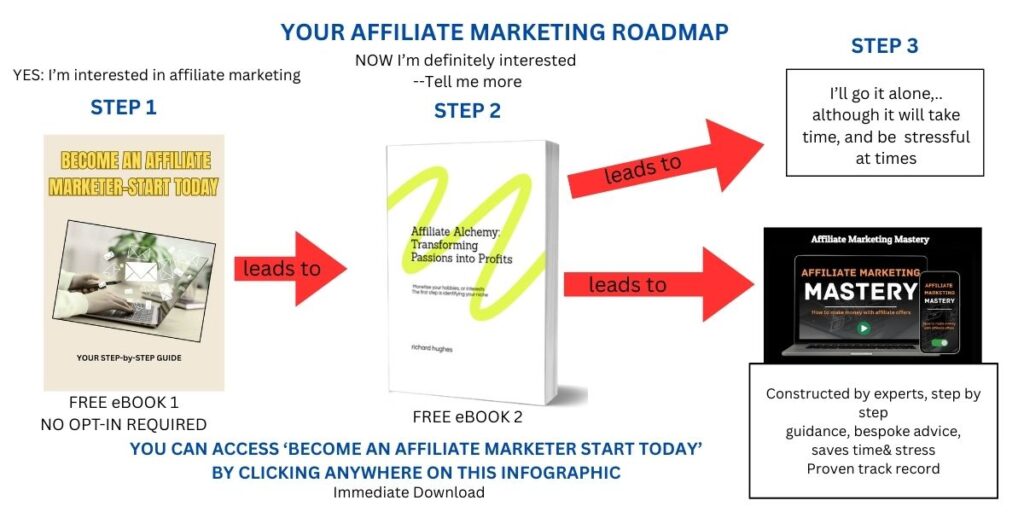
Affiliate marketing rewards patience and consistency. If you want a clear, step-by-step overview of the fundamentals, there are free affiliate marketing eBooks available online with no opt-in required that can help you build a solid foundation.
Improving Results Without Making It Complicated
Once you have your first content published and your links in place, the next step is making small improvements that compound over time. You do not need advanced tools or paid software to see better results.
Create Content Around Problems and Buying Intent
The content that drives the most affiliate clicks is content that helps someone solve a specific problem or make a purchase decision. Think “best budget microphone for podcasting” rather than “cool tech stuff.”
When someone is already looking for a solution, your recommendation feels helpful rather than pushy. Focus on “how to,” “best for,” and “vs” style content. These formats attract people who are close to buying.
Use Promo Codes and Clear Calls to Action
If the affiliate programme offers promo codes, use them. A discount code gives your audience a tangible reason to buy through your link, and it makes tracking easier for you.
Pair every recommendation with a clear, low-pressure call to action. Something like “If you want to try it, the link is in my bio” works better than aggressive sales language. Tell people exactly where to find the link and what they will get.
Track Clicks, Conversions and What to Double Down On
Most affiliate networks provide a dashboard showing clicks, conversions, and earnings. Review these numbers weekly. Look for patterns:
- Which content pieces drive the most clicks?
- Which products convert best?
- Which platforms send the highest-quality traffic?
Double down on what works and stop spending time on what does not. Even simple tracking habits like these will put you ahead of most beginners who publish content and never look at the data.
Frequently Asked Questions
How can I start affiliate marketing without any online platform?
You need at least one channel where you can reach people, but it does not have to be a website. Email is the most “off-platform” option, since you communicate directly with subscribers. You can also share affiliate links through PDF guides, eBooks, or messaging communities.
What are the best ways to promote affiliate links without running a site?
Short-form video on TikTok and Instagram Reels, YouTube tutorials, email newsletters, and Pinterest pins are among the most effective options. Each channel lets you share affiliate links through video descriptions, link-in-bio pages, or direct pins. Choose the one that matches your niche and content style.
Which affiliate programmes accept beginners who do not have a website?
Amazon Associates, ShareASale, ClickBank, and the Ultimate Bundles affiliate programme are all known for accepting beginners. Some require you to list a social media profile or YouTube channel instead of a website during the application process.
Can I use Amazon Associates if I do not own a website?
Yes. Amazon Associates allows you to apply using a YouTube channel, social media profile, or mobile app. You need to disclose your affiliate relationship and follow Amazon’s operating agreement, which includes rules about where and how you share links.
How do I do affiliate marketing on Pinterest without a website?
Pinterest allows you to link pins directly to affiliate product pages. Create visually appealing pins around product round-ups, tutorials, or gift guides, and use keywords in your pin titles and descriptions to help people find them. Always include a clear disclosure that your pin contains an affiliate link.
How can I begin affiliate marketing with no money and still make consistent sales?
Start with a free platform like TikTok, YouTube, or Instagram. Sign up for affiliate programmes that have no joining fees. Use a free link-in-bio tool to organise your links. Focus on creating consistent, helpful content around a single niche, and reinvest any early earnings into better tools or paid promotion as your income grows.
YOUR NEXT MOVE
IF YOU HAVEN’T GOT YOUR OWN AUDIENCE YET, via email, blog or social media, CLICK ON THE INFOGRAPHIC BELOW TO START
IF YOU ALREADY HAVE A GOOD FOLLOWING, CLICK ON THIS INFOGRAPHIC