Contents
- 1 What Are the Top Five Newsletter Niches for Growth?
- 2 The Five Strongest Niches to Consider
- 3 Why These Niches Perform Better Than Broad Topics
- 4 How to Choose the Right Angle Within Each Niche
- 5 Monetisation Potential by Niche
- 6 Content Formats That Fit These Niches Best
- 7 Common Mistakes When Launching a Niche Newsletter
- 8 Frequently Asked Questions
- 8.1 Which newsletter topics attract the largest and most consistent audiences?
- 8.2 Which newsletter categories tend to generate the highest revenue through subscriptions or sponsorships?
- 8.3 How do you choose a profitable newsletter niche that matches your expertise and audience demand?
- 8.4 What metrics should you use to validate a newsletter niche before launching?
- 8.5 What growth strategies work best for newsletters in competitive niches?
- 8.6 What tools and processes do newsletter operators use to manage and monetise niche newsletters?
What Are the Top Five Newsletter Niches for Growth?
If you are wondering what are the top five newsletter niches worth building around, you are asking the right question at the right time. The newsletter space has grown quickly, but not every topic performs equally. Some niches attract loyal readers who open every email, click every link, and even pay for premium content. Others struggle to gain traction no matter how good the writing is.
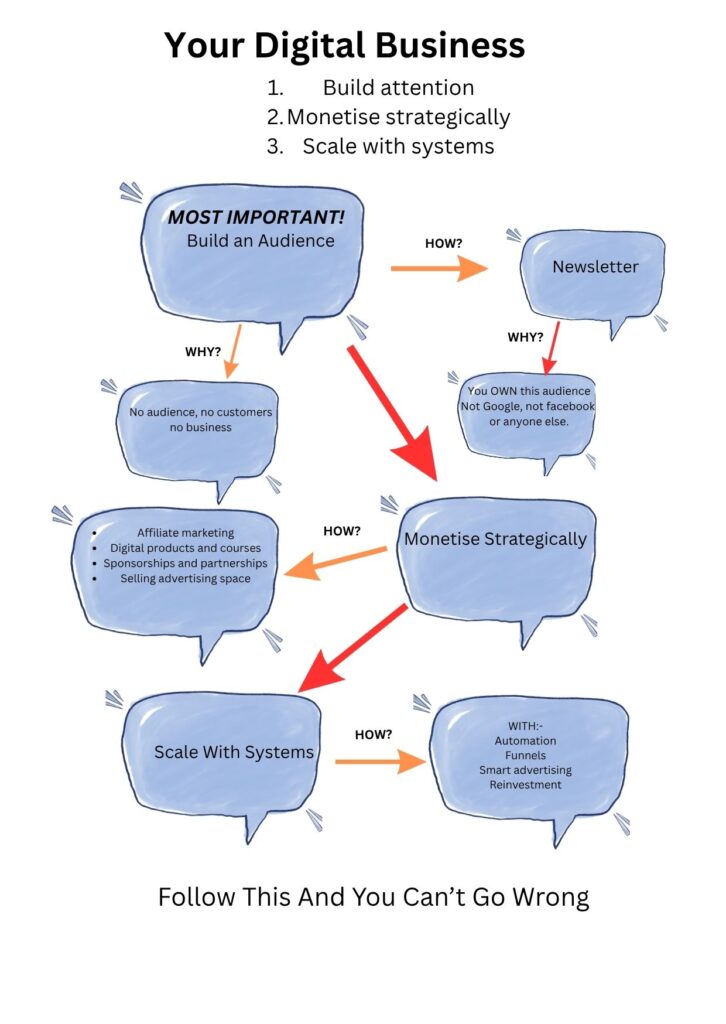
Choosing a niche is the single most important decision you will make when starting a newsletter, because it determines your audience size, your revenue potential, and how fast you can grow. The good news is that a handful of proven niches consistently outperform the rest. They have strong demand, clear paths to profit, and audiences that genuinely want to hear from you on a regular basis.
This guide breaks down the five strongest newsletter niches, explains why they work so well, and gives you practical steps for picking the right angle, making money, and avoiding common mistakes.
Key Takeaways
- Personal finance, health and wellness, technology, B2B marketing, and local news are the five niches with the strongest growth and revenue signals right now.
- Narrowing your focus within a niche builds trust faster and leads to higher engagement than covering broad topics.
- Each of these niches offers multiple ways to earn money, from sponsorships and affiliate links to premium subscriptions and consulting.
The Five Strongest Niches to Consider
Not all newsletter niches are created equal. The five below consistently score highest on audience demand, advertiser interest, and long-term growth potential. They span both consumer and business audiences, and each one contains dozens of sub-topics you can make your own.
Personal Finance and Investing
Personal finance is one of the largest and most reliable newsletter niches. Readers actively seek out investment tips, budgeting advice, and strategies for growing their wealth. The appeal is simple: money affects everyone, and most people feel they do not know enough about it.
A personal finance newsletter can focus on stocks, crypto, real estate, or even something as specific as personal finance for freelancers. The narrower you go, the easier it is to stand out. Finance newsletters also tend to command high advertising rates, with CPMs ranging from $80 to $180 depending on your audience.
Health and Wellness
Health and wellness covers everything from nutrition and fitness to mental health strategies and sleep optimisation. People are always looking for ways to feel better, and they are willing to invest time and money into solutions that work.
What makes this niche strong is the personal nature of the content. Readers form a connection with writers who share evidence-based advice in a relatable way. Wellness newsletters also pair well with affiliate marketing, since there are countless products and services to recommend.
Technology and Gadgets
Technology newsletters remain in high demand, especially those aimed at specific audiences. Rather than covering every piece of tech news, the most successful newsletters focus on areas like AI tools for beginners, the latest gadgets for remote workers, or software reviews for small business owners.
Advertisers are eager to reach tech-savvy readers. If you can build an audience of professionals with clear interests and purchasing power, sponsorship deals come more easily.
B2B Marketing and Business
B2B newsletters are among the most profitable in the entire newsletter space. A business newsletter targeting marketers, founders, or operators in a specific industry can command CPMs of $100 to $500 or more. This means that if you are promoting a particular company or product of that company in your newsletter, you get paid per 1000 subscribers. That is several times higher than most consumer-focused newsletters.
The key is choosing a B2B marketing niche where readers have real buying power. Marketers, for example, regularly purchase software, hire agencies, and attend conferences. A well-positioned B2B newsletter connects buyers and sellers, which is exactly what advertisers want to pay for.
Industry Dive, a B2B media company with millions of subscribers across 30-plus publications, sold for $525 million in 2022. That acquisition shows just how valuable this niche can be.
Local News and Community
Local news is an underrated niche with serious growth potential. Most traditional local news outlets are outdated, and many readers feel underserved. A local newsletter that covers community events, restaurant openings, school news, and local politics fills a gap that few others are addressing.
Operators like 6 AM City and OverStory Media Group have built multi-million-pound businesses by launching local newsletters across multiple towns. A single local newsletter can reach six figures in revenue, and the model scales well when you expand to new areas.
Why These Niches Perform Better Than Broad Topics
Broad newsletters that try to cover everything tend to attract casual readers who rarely engage. Niche newsletters attract people who genuinely care about the subject, and that difference shows up clearly in open rates, click-through rates, and revenue.
Audience Intent and Reader Loyalty
When someone subscribes to a newsletter about personal finance for first-time homebuyers, they have a specific goal. That intent makes them far more likely to open your emails, read them carefully, and act on your recommendations.
Choosing a niche gives you a defined audience with a clear reason to keep reading. You are not competing with every other newsletter in someone’s inbox. You are the one source they trust for that particular topic.
Higher Engagement and Click-Through Rate
Niche newsletters consistently achieve higher click-through rates than general-interest ones. Readers click because the content is directly relevant to their needs or interests.
A higher click-through rate also makes your newsletter more attractive to sponsors. Advertisers care about engagement, not just subscriber counts. A 5,000-subscriber newsletter with a 6% click rate can be worth more than a 50,000-subscriber list with a 1% click rate.
Authority, Trust and Long-Term Relevance
Focusing on one niche lets you build relationships with your readers over time. They begin to see you as an authority, and that trust compounds.
A strong content strategy centred on a single topic also keeps your newsletter relevant for years. Trends within your niche will shift, but the core audience demand stays consistent. Personal finance, health, technology, B2B, and local news are all evergreen categories that people will always need.
How to Choose the Right Angle Within Each Niche
Picking a niche is only the first step. The real work is finding the specific angle that sets your newsletter apart. The best approach is to start narrow, validate your idea, and expand once you have traction.
Match Expertise With Market Demand
Your angle should sit at the intersection of what you know and what people want. If you have experience in startups and entrepreneurship, a newsletter about fundraising for first-time founders could work well. If you are passionate about sustainable living, a newsletter reviewing eco-friendly products gives you both credibility and a built-in audience.
Ask yourself: can you write about this topic every week for two years without running out of things to say? If the answer is yes, you are on the right track.
Go Narrow Before You Expand
Broad topics like “personal development” or “technology” are too wide to build an identity around. Narrowing down to something like “productivity systems for remote teams” or “watches under $500” gives you a clearer value proposition.
A tight focus helps you attract the right readers quickly. Once you have a loyal base, you can gradually expand into adjacent topics without losing your core audience.
Validate Interest With Test Content
Before committing fully, test your idea. Write three to five sample editions and share them on social media, forums, or with friends in your target audience. Track which topics get the most replies, shares, and sign-ups.
You can also search for existing newsletters in your chosen angle. Competition is a good sign. It means there is proven demand. Your job is to find what the current options are missing and fill that gap.
Monetisation Potential by Niche
One of the biggest reasons these five niches stand out is their strong monetisation options. Each one offers multiple revenue streams, so you are not dependent on a single source of income.
Sponsorships and Sponsored Content
Sponsored content is the primary revenue driver for most newsletters. Finance and investing newsletters command some of the highest rates, with CPMs between $80 and $180. B2B newsletters often exceed $100 CPM and can reach $500 or more for highly targeted audiences.
Health and wellness, technology, and local news all attract sponsors as well. Local newsletters are especially appealing to small businesses that want to reach a specific geographic audience.
Affiliate Marketing and Product Recommendations
Affiliate marketing works particularly well in health and wellness, technology, and personal finance. When you recommend a product your readers trust you to evaluate honestly, conversions tend to be strong.
The key is to only recommend things you would genuinely use. Readers can tell the difference between an honest recommendation and a cash grab. Protecting your credibility always matters more than a short-term commission.
Premium Offers, Courses and Consulting Services
Once you have built authority, you can sell your own products. Consulting services are common in B2B and finance niches. Online courses work well in personal finance, technology, and health and wellness.
Some newsletter operators charge for a premium tier with exclusive content. This model works best when your free content is already excellent and readers want even more. Sports betting and fantasy sports newsletters, for instance, have built large paid subscriber bases because readers see a direct financial return on the information.
Content Formats That Fit These Niches Best
The format of your newsletter matters almost as much as the topic. Different niches lend themselves to different styles of content, and matching the right format to your niche improves engagement.
News Round-Ups and Curated Analysis
Technology newsletters and local news publications thrive with curated round-ups. Readers in these niches want to stay informed without spending hours scrolling through multiple sources.
A good round-up picks the three to five most important stories, adds a sentence or two of context, and links to the full source. This email marketing format is quick to produce and easy for readers to scan.
Tactical Advice and Actionable Tips
Personal finance newsletters and business newsletters perform best when they give readers something they can act on immediately. Step-by-step guides, templates, checklists, and specific how-to advice all work well.
For example, a personal finance newsletter might include a weekly savings challenge or a breakdown of a specific investment strategy. A B2B marketing newsletter might share a real campaign teardown with results.
Community-Led and User-Generated Content
As your newsletter grows, your audience becomes a content source. User-generated content, such as reader questions, success stories, and polls, builds a sense of community.
Local news newsletters benefit from this approach especially. Asking readers to share recommendations, event photos, or neighbourhood updates makes them feel involved. It also gives you a steady stream of content ideas and strengthens reader loyalty.
Common Mistakes When Launching a Niche Newsletter
Starting a newsletter is straightforward, but many new operators make avoidable errors that slow their growth or kill their momentum entirely.
Picking a Topic With Weak Commercial Demand
Passion alone does not pay the bills. Before you launch, check whether advertisers or affiliate programmes exist in your niche. If companies are not spending money to reach your target audience, newsletter monetisation will be a constant struggle.
Look at what successful newsletters in similar niches are doing. If you cannot find any, that might be a warning sign rather than an opportunity.
Covering Too Many Subjects at Once
The urge to write about everything you find interesting is strong, but it confuses your readers. If your newsletter jumps from sustainability to startups to entrepreneurship to cooking tips, people will not know what to expect.
Stick to one core topic. Every edition should reinforce why someone subscribed in the first place.
Ignoring Reader Feedback and Performance Data
Your open rates, click-through rates, and reply rates tell you exactly what your readers want more of. Ignoring this data is one of the fastest ways to lose subscribers.
Build relationships with your audience by asking for feedback directly. A short survey every few months or a simple “reply and tell me what you want to read about” goes a long way. Use the responses to shape your editorial calendar.
Frequently Asked Questions
Personal finance, health and wellness, and technology consistently attract large, engaged audiences. These topics address ongoing needs that do not fade with trends, so subscriber interest remains steady over time.
B2B newsletters and finance newsletters generate the highest revenue per subscriber. B2B newsletters can command CPMs of $100 to $500 or more, while finance newsletters typically range from $80 to $180.
Start by listing the topics you can write about consistently and with genuine knowledge. Then check whether advertisers, affiliate programmes, and competing newsletters exist in that space. The overlap between your expertise and proven market demand is your best starting point.
Track open rates, click-through rates, and subscriber growth during a test phase of three to five editions. Also look at reply rates and social shares. If readers are engaging with and sharing your early content, demand is real.
Referral programmes, cross-promotions with complementary newsletters, and consistent publishing schedules drive the most reliable growth. Sharing sample content on social media and in relevant online communities helps attract your first few hundred subscribers.
Most operators use platforms like Beehiiv, ConvertKit, or Substack to manage subscribers and send emails. For monetisation, they use sponsor marketplaces, affiliate networks, and direct outreach to potential advertisers. Tracking performance with built-in analytics helps refine content and pricing over time.