Contents
Newsletter Branding For Beginners;
Starting a newsletter is straightforward. Building one that readers recognise, trust, and look forward to opening is a different challenge entirely. Your branding is what bridges the gap between sending emails and building a real audience.
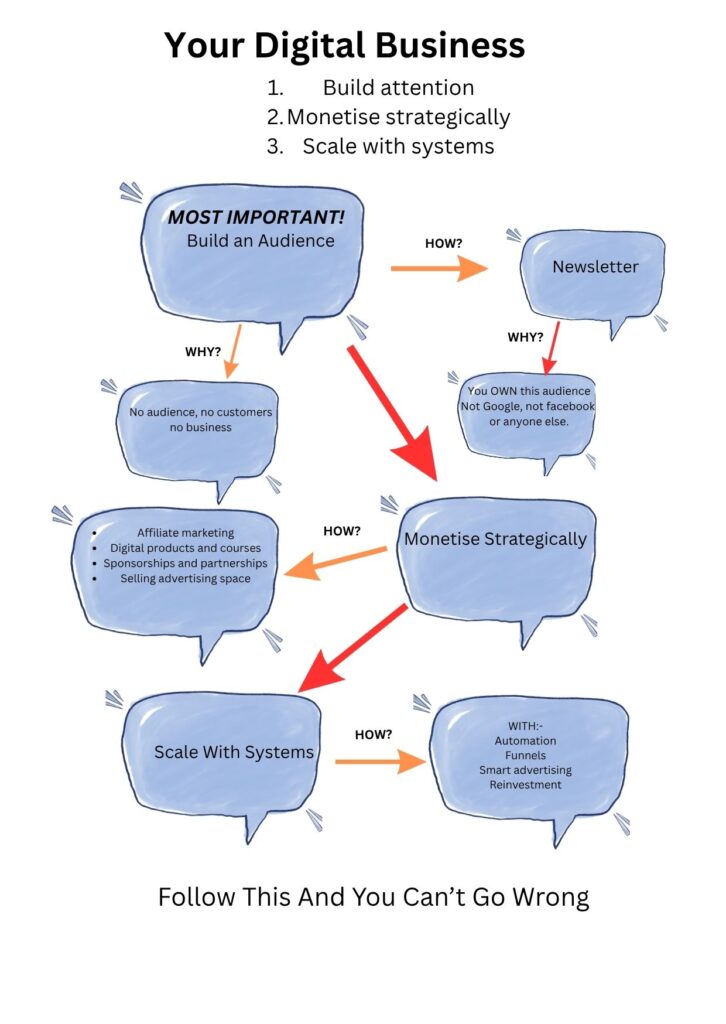
Most beginners focus on content first, which makes sense. But without a consistent identity behind that content, even good writing gets lost in a crowded inbox. Readers forget who you are. They stop expecting anything from you. And when that happens, growth stalls.
Newsletter branding is not about having a perfect logo or a professionally designed template from day one. It is about making deliberate choices that add up to a recognisable, trustworthy presence. That means your tone, your sender name, your subject line style, and your layout all need to work together to signal: “this is from someone I know.”
This guide walks you through each of those decisions in plain language, in the order that actually matters.
What A Strong Newsletter Identity Actually Means
Branding in a newsletter goes well beyond how it looks. It is the combination of what you say, how you say it, and how reliably you show up. Readers build familiarity through repetition across all of those signals, not just the visual ones.
Branding Beyond Visual Design
When most beginners hear “branding,” they picture colours and logos. Those elements matter, but they are only part of the picture. Your newsletter’s identity is also shaped by the words you choose, the way you structure your emails, the topics you cover consistently, and even the way you sign off each issue.
Think of branding as everything that makes your newsletter feel like yours. A reader who has never seen your logo should still be able to recognise your newsletter after reading two or three sentences. That kind of recognition comes from a consistent voice, a clear point of view, and predictable editorial choices.
Practically speaking, this means paying attention to things like:
- The vocabulary you use regularly
- Whether your tone is warm, direct, analytical, or playful
- How you open each issue and what format you follow
- What kinds of topics you cover and which ones you avoid
Why Consistency Builds Reader Trust
Trust is built through repetition. When your newsletter feels the same each time it arrives, readers start to know what to expect. That predictability is not boring; it is reassuring. It signals that you are reliable and that you take the publication seriously.
Inconsistency does the opposite. If your tone shifts dramatically between issues, your layout changes without reason, or your subject lines follow no recognisable pattern, readers feel uncertain about what they are subscribing to. That uncertainty makes it easier to unsubscribe.
The goal at this stage is not perfection. It is stability. Even a simple, imperfect newsletter that shows up consistently with the same voice and structure will outperform a polished one that feels different every week.
Defining Your Purpose And Reader Promise
Before you make any design or writing decisions, you need to be clear about what your newsletter is for and who it serves. A focused purpose makes every other branding decision easier and more coherent.
Choosing A Clear Editorial Focus
Your editorial focus is the boundary you draw around your content. It defines what belongs in your newsletter and, just as importantly, what does not. Without that boundary, you end up covering too many topics and attracting no one in particular.
Start by asking yourself: what is the one thing my newsletter consistently helps readers with? That answer should be narrow enough to be meaningful. “Business advice” is too broad. “Practical marketing tips for solo consultants” is something a reader can immediately decide whether they want.
A clear focus also helps you when you are stuck on what to write. If a topic fits your focus, it belongs. If it does not, it does not go in, regardless of how interesting it is to you personally.
Shaping A Value Proposition Readers Understand
Your value proposition is the reason someone would choose to subscribe to your newsletter over the dozens of others in their inbox. It should be simple enough to explain in one sentence and specific enough to mean something.
A strong value proposition answers three questions:
- Who is this for? Be specific about your reader type.
- What will they get? Describe the content or outcome clearly.
- How often and in what form? Weekly, short-form, curated links, original essays, and so on.
For example: “A weekly newsletter for freelance designers that breaks down how to price and pitch creative work.” That tells a reader exactly what to expect and whether it is right for them. When your value proposition is clear, your branding has something real to reflect.
Building A Distinct Voice
Your voice is the personality your newsletter carries in every sentence. It is one of the most powerful branding tools you have, and it costs nothing to develop. Readers do not just return for information; they return because they like how you communicate it.
Setting The Right Tone For Your Audience
Tone is the emotional temperature of your writing. It sits on a spectrum from highly formal to very casual, from serious to playful, from analytical to conversational. The right tone for your newsletter depends on two things: who your readers are and what they need from you.
A newsletter for early-career teachers needs a different tone than one aimed at startup founders or hobbyist gardeners. Think about how your readers talk to each other and what kind of voice they would naturally trust in that context.
A practical way to find your tone is to write a few paragraphs and then ask: does this sound like someone I would want to hear from regularly? If it feels stiff, loosen it. If it feels too chatty for the subject matter, pull it back. Adjust until the voice feels natural for both you and your audience.
Creating Style Rules You Can Repeat
Once you find a tone that works, you need to codify it so you can reproduce it consistently, even when you are writing quickly or feeling uninspired. Style rules are a simple way to do that.
These do not need to be elaborate. A short list of guidelines works well. For example:
- Always write in second person, addressing the reader as “you”
- Avoid jargon unless it is immediately explained
- Keep paragraphs to three sentences or fewer
- Open each issue with a single direct observation, not a preamble
- Use a specific sign-off phrase at the end of every issue
Over time, these small habits become recognisable patterns. Readers may not consciously notice them, but they register the consistency. Collect lines and phrases that feel right when you write them. Over time, these form a personal style fingerprint that becomes difficult for other newsletters to replicate.
Choosing Visual Elements That Feel Coherent
Your newsletter’s visual identity does not need to be complex. It needs to be consistent. A few well-chosen design decisions, applied the same way in every issue, create a visual shorthand that readers learn to recognise.
Visual design and layout work together to signal what kind of newsletter yours is, even before a reader has finished the first paragraph.
Selecting Colours And Typefaces
Start with a limited colour palette. Two or three colours are enough for most newsletters: one primary colour for headlines or key accents, one neutral background, and possibly one secondary accent. More than that and your design starts to feel busy rather than branded.
For typefaces, choose one or two that are easy to read on screen. A clean sans-serif font for body copy works reliably across devices. If you want to add character, a slightly more distinctive font for headings can help, but keep it legible. Free tools like Google Fonts offer accessible options without needing a design background.
The key principle here is restraint. Colours and fonts that stay the same across every issue reinforce familiarity without requiring readers to consciously notice them.
Using Layout And Imagery With Restraint
A clear, repeatable layout helps readers navigate your newsletter quickly. Most successful newsletters follow a simple structure: a header with your name or title, a main content section, and a footer. Within that structure, use consistent spacing and predictable content blocks so readers always know where to look.
When using images, prioritise relevance over decoration. An image that adds nothing to the content creates visual noise. One well-chosen image that supports the main message or reflects your brand aesthetic is far more effective.
Avoid the temptation to add more visual elements as your newsletter grows. The newsletters that feel most polished are often the ones with the most discipline around what they leave out.
Creating A Recognisable Inbox Presence
How your newsletter appears in the inbox before a reader even opens it is a significant part of your brand. The sender name, subject line, and header all carry branding weight that many beginners overlook.
These three elements are the first thing a reader sees, and they directly influence whether someone opens your email or scrolls past it.
Picking A Memorable Sender Name
Your sender name is the name that appears in the “From” field of every email you send. It is one of the most underrated branding decisions you will make. Readers use it to decide in a split second whether to open or ignore your newsletter.
A sender name works best when it is specific and consistent. You have a few options:
- Your own name: works well for personal brands and solo creators
- The newsletter’s name: a good choice if the newsletter has a distinct identity separate from you
- Name plus newsletter: for example, “Alex at The Brief”, which combines personal trust with brand recognition
Avoid generic labels like “Newsletter Team” or “Info”. These feel impersonal and do nothing to build familiarity. Whichever format you choose, stick to it. Changing your sender name confuses readers who have come to recognise you.
Developing Subject Line Patterns
Your subject lines are not just about getting opens. Over time, they become a recognisable signature. Readers who receive your newsletter regularly start to notice patterns, and those patterns tell them something about who you are.
Some newsletters use a consistent format every issue, such as a numbered list, a question, or a single bold statement. Others use a recurring phrase or prefix to signal the issue type. The specific format matters less than the consistency.
A few principles worth following:
- Keep subject lines short enough to read fully on a mobile screen
- Match the tone of your subject lines to your newsletter’s voice
- Avoid clickbait phrasing that your content cannot deliver on
- Test different approaches in your early issues to find what your readers respond to
Once you find a format that fits, apply it reliably. Readers who know what your subject lines sound like are more likely to open them.
Designing A Header That Signals Familiarity
Your newsletter header is the first visual element readers see when they open each issue. It should be simple, recognisable, and consistent across every send.
A good header typically includes your newsletter’s name, possibly a short tagline, and your primary brand colour or logo if you have one. It does not need to be elaborate. A clean typographic treatment with your newsletter name can be just as effective as a complex graphic design.
The goal is that a reader who opens your newsletter should see the header and immediately know where they are. That instant recognition is what familiarity feels like, and it is built one consistent send at a time.
Maintaining Consistency As You Grow
The branding decisions you make early on only work if you apply them reliably over time. As your newsletter grows and your content evolves, consistency becomes harder to maintain without a system to support it.
The good news is that you do not need an elaborate process. A few simple habits protect your brand identity as your audience scales.
Documenting Simple Brand Guidelines
A brand guidelines document does not need to be a formal PDF. For a beginner, a single page or shared note with your key decisions written down is enough. The point is to have a reference you can return to when you are writing under pressure or when someone else helps you create content.
Your document should cover:
- Voice and tone: a few sentences describing how your newsletter sounds and what it avoids
- Colours and fonts: the specific values or names of what you use
- Sender name and subject line style: the format you follow each issue
- Content rules: topics that are in scope and topics that are out of scope
- Recurring elements: how you open each issue, how you close it, any regular sections
Even a rough version of this document saves time and prevents drift. The moment you start second-guessing what font you use or how you addressed readers last time, a quick reference becomes valuable.
Reviewing Performance Without Losing Character
As your newsletter grows, you will collect data on open rates, click rates, and subscriber growth. That data is useful, but it requires careful interpretation. A single issue with a high open rate does not mean you should change your voice to match it every time.
Review your performance data in trends rather than individual sends. Look for patterns over six to twelve issues. If a particular subject line style consistently outperforms others, that is worth noting and applying more often. If a specific content format drives more clicks, consider making it a regular feature.
The risk for beginners is over-correcting. You chase the numbers and gradually sand away the distinctive qualities that made your newsletter interesting in the first place. Your brand identity should evolve naturally as you learn what your audience responds to, not lurch between styles based on one week’s data.
Treat performance reviews as a way to sharpen your existing identity, not replace it.
YOUR NEXT MOVE